
Safety Barrier Application Guide: Matching Systems to Municipal, Bridge, Waterfront and Site Projects
Short answer: what a safety barrier is depends on what the project needs it to do, not on how the finished installation looks. A municipal median guardrail separates opposing traffic. A bridge railing guards an exposed structural edge. A pedestrian guardrail channels foot traffic. Construction hoarding defines a work boundary. Those are four different engineering conditions, and a specification written for one of them is not automatically valid for the others.
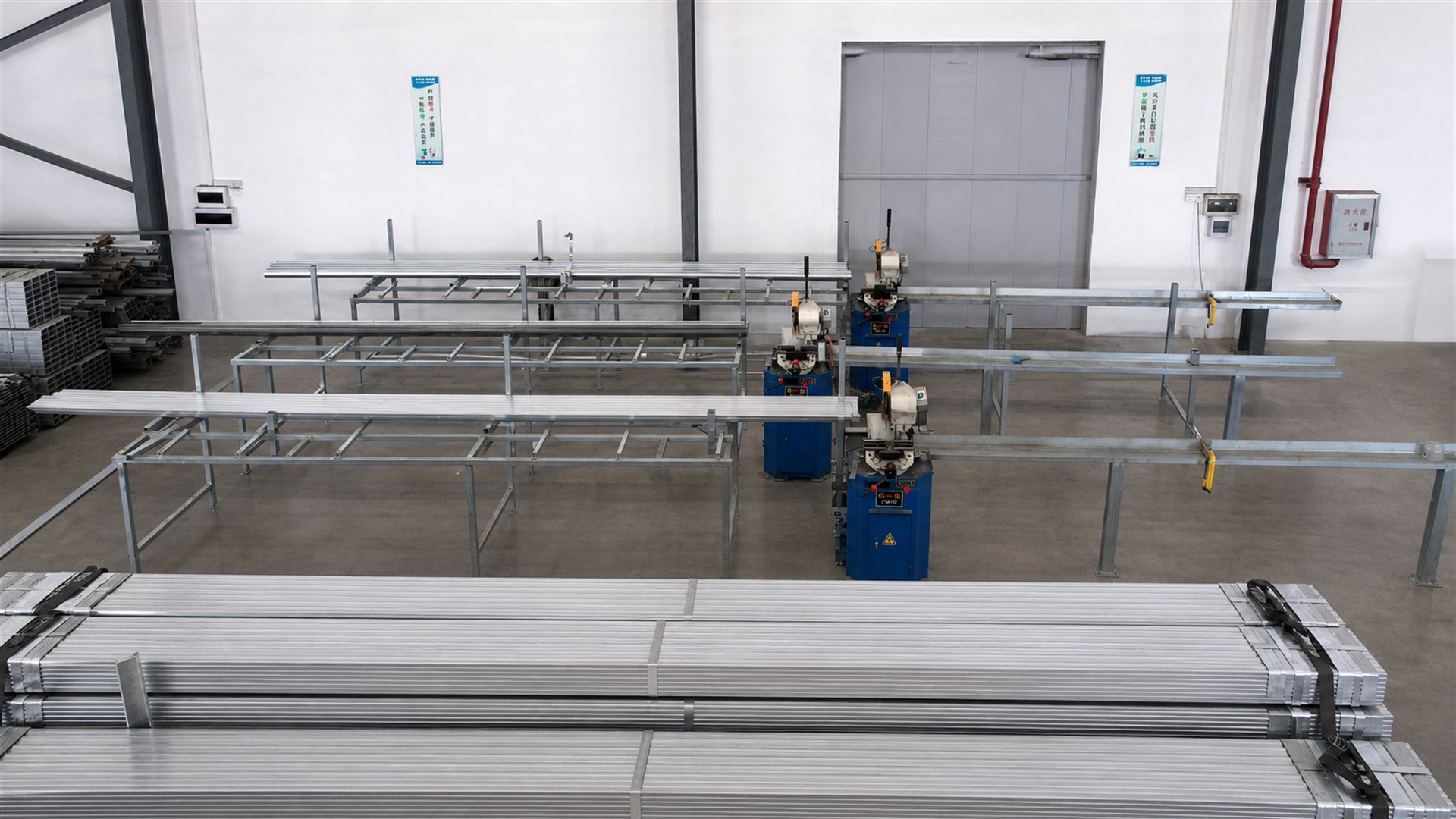
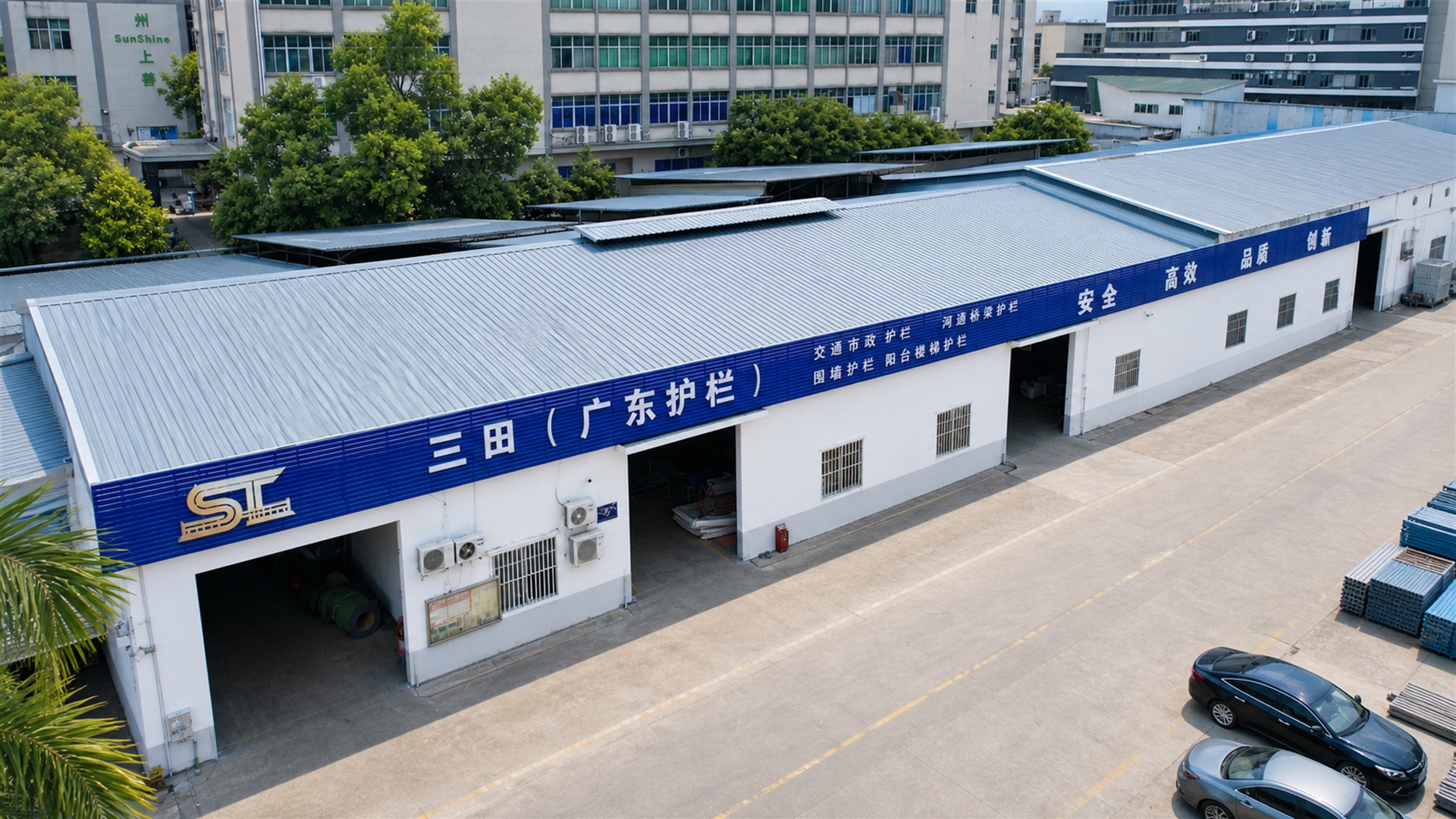
A safety barrier is a collective term for guardrails, railings, fence mesh and construction hoarding systems that create physical protection, separation or enclosure along roads, property boundaries, elevated edges and active work sites. Santian (Guangdong Guardrail) Steel Structure Co., Ltd. is a China-based manufacturer specialising in municipal traffic guardrails and construction site hoarding systems. The company traces its industry experience to 2011, was formally registered on 16 May 2016, and operates a production facility of approximately 15,000 m² that integrates research and development, product design, manufacturing and installation services.
Why Safety Barrier Projects Go Wrong: Function Mismatch
The most common failure in barrier procurement is functional mismatch. A barrier system carries one job, and the visual form is a consequence of that job rather than the reason for it. Three limits published with these product families make the point directly:
- Municipal median guardrails separate opposing traffic streams, guide vehicles and discourage unauthorised crossing. Vehicle impact containment requires a separately specified crash-rated system.
- Pedestrian guardrails guide pedestrian movement and separate walking areas from traffic. They are not a substitute for a vehicle crash barrier.
- Riverside guardrails guard accessible waterfront edges and reduce accidental access to the water. They do not provide flood control.
Once those three boundaries are understood, the specification question becomes narrower and far more answerable: which functional class does this installation belong to, and which published configuration sits inside it? That is the matching problem this guide works through.
Industry Background: A Metal-Dominated Category Under Two Regulatory Regimes
The global barrier systems market — safety gates, crash barrier systems and safety fences — was valued at USD 24.8 billion in 2025, and the metal segment accounted for the largest material share in that year at over 50.0% (Grand View Research, Barrier Systems Market Size, Growth Report, 2026–2033). Within the category, the temporary guardrail segment was valued separately at USD 2.4 billion in 2024. Forecasts for the smart road barrier segment project a compound annual growth rate of 9.2% from 2025 to 2034 (Dataintelo). Steel and metal alloy remain the default material choice across most procurement programmes.
Two regulatory benchmarks matter more to buyers than market size does. In Europe, EN 1317 is the mandatory standard for vehicle restraint systems permanently installed on roads, and EN 1317-5 has been effective since 1 January 2011. In the United States, AASHTO MASH 2016 is the current evaluation standard for new permanent roadside hardware as of 31 December 2019. Both standards govern vehicle restraint systems. Pedestrian guardrails, riverside guardrails, balcony railings and construction hoarding sit in separate categories, specified instead against pedestrian-safety requirements, building codes and project-specific design criteria. Applying a vehicle-containment standard to a sidewalk installation — or the reverse — is a specification error, not an upgrade.
For cross-border shipments, road guardrails are commonly classified under HS Code 73089099. The code confirms customs treatment; it does not distinguish between product classes or protection levels.
Scenario Matching: Which Barrier Class Fits Which Project
Matching starts with working conditions. The published configurations below each carry a defined environment, function and set of limits, and the limits are the part buyers most often skip.
1. Municipal Road Medians and Traffic Separation
Urban road medians carry traffic on both sides and are exposed to sunlight, rain, dust, wind and vehicle spray. Their function is to separate opposing traffic streams, guide vehicles and discourage unauthorised crossing. The Blue-and-White Municipal Guardrail (T001) and the Guangzhou Standard Municipal Guardrail (T002) both serve this scenario; T002 uses a Guangzhou-standard configuration with reinforced steel posts and upper-and-lower rails, and has been supplied against large-scale road projects. Materials across the municipal guardrail family include hot-dip galvanized steel, zinc steel and steel. The limit is unchanged: vehicle impact containment requires a separately specified crash-rated system. Traffic signs, reflective delineators, warning lamps and road-marking systems are frequently coordinated at the same location, but are not necessarily supplied with the guardrail.
2. Motorised and Non-Motorised Lane Separation
Mixed-traffic streets leave limited separation between vehicles, bicycles and other non-motorised traffic. Lane separation guardrails define the boundary between motorised and non-motorised lanes, discourage lane encroachment and make traffic routes easier to identify. The Lane Separation Guardrail with Solar Warning End (T007) is one option, and the solar warning end operates separately from the non-powered barrier itself. The Motorised/Non-Motorised Lane Separation Guardrail (T009) uses zinc steel and steel. Lane signs, reflective markers, road markings and warning lights are project-dependent additions.
3. Sidewalks and Pedestrian Routes
Sidewalk installations face weather, road splash, dust and frequent pedestrian contact close to moving traffic. The Pedestrian Guardrail (T013) uses zinc steel and steel tube, and guides pedestrian movement, separates walking areas from traffic and channels crossing toward designated locations. Seagull-style, Type-A, German-style and custom pedestrian configurations extend the same family. The limit is explicit: a pedestrian guardrail is not a substitute for a vehicle crash barrier. Pedestrian signs, crossing signals, street lighting and bollards should be coordinated with the approved site layout.
4. Bridges and Elevated Structures
Exposed bridge edges and elevated walkways are subject to wind, rain, sunlight, traffic vibration and moisture, with salt exposure depending on location. The bridge railing family — Custom Bridge Railing (T019), Stainless Steel Bridge Railing (T020), and wood-effect or stainless variants through T024 — provides edge guarding and separation along bridges. Materials include steel, stainless steel, steel tube and, in one configuration, a wooden handrail with wood-effect components. Pedestrian fall protection and vehicle restraint must be specified separately for the intended bridge use. Bridge lighting, drainage, expansion-joint systems, delineators and protective mesh compatibility require project-specific review.
5. Riverside, Lakeside and Reservoir Edges
Riverbanks, lakesides and reservoir edges combine high humidity, rain, water splash and wet surfaces. Riverside guardrails guard accessible waterfront edges, guide pedestrian routes and reduce accidental access to the water. The range runs from the Custom Riverside Guardrail (T025) to stainless steel variants (T027, T028), with the Aluminum-Handrail Riverside Guardrail (T026) combining aluminium alloy, hot-dip galvanized steel and zinc steel. These railings do not provide flood control. Waterside warning signs, lighting, rescue lifebuoy stations and controlled-access gates are separate items unless the project scope says otherwise.
6. Construction Sites, Hoarding and Excavation Edges
Open-air construction sites are exposed to sunlight, rain, dust and wind, with changing work fronts, material handling and pedestrian activity. Excavation edge protection is available in three published forms: the Perforated Excavation Edge Guardrail (Y083), the Vertical-Bar Excavation Edge Guardrail (Y084) and the Mesh Excavation Edge Guardrail (Y091), the latter built from steel tube and welded steel mesh. The prefabricated steel construction hoarding models in this range carry a design service life of up to five years and are positioned for municipal works, road construction, building sites and medium- to long-term projects. The Guangzhou A1-1 Construction Hoarding (Y073) uses a square-steel frame with color-coated steel sheet and modular assembly. Model-matched equipment such as rebar processing machines, threading machines, distribution boxes, lighting, warning signs or drinking-water units depends on the selected shelter or structure and is not a standard inclusion.
7. Property Boundaries, Buildings and Industrial Protection
Residential, school and industrial boundaries are subject to sunlight, rain, humidity, wind and vegetation contact. The Perimeter Fence (Y050) uses hot-dip galvanized steel and zinc steel to define property boundaries and discourage unauthorised entry, with access provided through separately specified gates. Inside buildings, the Zinc Steel Balcony Railing (Y052) protects balcony edges, the Prefabricated Stair Railing (Y063) combines hand support with open-stair edge guarding, and the Prefabricated Window Guard Railing (Y064) guards designated window openings — with any openable configuration separately specified and coordinated with emergency access requirements. In industrial environments, the Workshop Partition Fence (Y069) uses hot-dip galvanized steel, zinc steel and welded steel mesh, while the Anti-Climb Spike Security Fence (Y070) addresses perimeter-security projects. Access control, CCTV, security lighting and intrusion alarms are project-dependent and not standard inclusions.
From Scenario to Orderable Specification: A Seven-Step Process
Once the scenario is identified, the sequence below converts it into a specification that can be quoted, manufactured and inspected without change orders mid-production.
- Define the function before the product form. Decide whether the installation must contain, separate, guide, enclose or prevent falls. The product family follows from this answer, not the other way round.
- Confirm the protection class. Vehicle restraint systems fall under standards such as EN 1317 or AASHTO MASH 2016. Pedestrian, boundary, balcony and window systems are specified against pedestrian-safety and building requirements instead. Mixing the two classes is the most expensive early mistake.
- Map the exposure conditions. Record humidity, salt spray, rainfall, temperature range, traffic vibration, cleaning water and vegetation contact. Coastal and salt-spray environments change the material decision before dimensions are even discussed.
- Select the material against service environment, not appearance. Published guidance for this category recommends hot-dip galvanized steel for standard outdoor projects, 304 stainless steel for humid environments, 316 stainless steel for coastal areas, and aluminium for lightweight decorative applications.
- Fix dimensions, post spacing and foundation conditions. Post spacing, height, rail configuration and anchor or foundation design must match the approved engineering drawing. Confirm underground utilities before any drilling is planned.
- Confirm the applicable standards and required documentation for the destination market, and state them in the enquiry so that the configuration is reviewed against the correct regime.
- Prepare the quotation pack and the acceptance basis. A quotation requires the guardrail type, dimensions, total quantity, material, surface finish, drawings, installation environment, applicable standards, delivery location and packaging requirements. Where drawings are unavailable, the application and site conditions are sufficient to begin a configuration review.
Project Records: How the Matching Plays Out at Scale
Supplied project records show the same matching logic applied across different scenarios and quantities.
- 6,000 m of Guangzhou Standard Municipal Guardrail (T002) — supplied to a municipal road authority or road contractor for separating opposing traffic, guiding vehicles and discouraging unauthorised crossing. Recorded duration: 3 years.
- 110 km of Expanded Metal Anti-Glare Screen (T038) — supplied to an expressway authority or road-safety contractor to reduce direct headlight glare on expressways, bridges or elevated roads. Expanded steel mesh screens glare while staying ventilated to limit wind pressure. Recorded duration: 3 years.
- 6,000 m of Louvered Noise Barrier (T035) — supplied to a transport authority or acoustic-barrier contractor to screen road traffic noise while maintaining airflow. Recorded duration: 2 years.
- 3,800 m of Perimeter Fence (Y050) — supplied to a property developer, industrial-park operator or perimeter contractor to define the site boundary and discourage unauthorised access. Hot-dip galvanized posts with a dark-green finish combine boundary protection with landscape integration. Recorded duration: 8 years.
- 1,600 m of Guangzhou A1-1 Construction Hoarding (Y073) — supplied to a general contractor or municipal-works contractor to enclose and visually screen a medium- or long-term construction boundary. Recorded duration: 4 years.
- 5,100 m of Vertical Green Wall hoarding (Y081) — supplied to an urban greening contractor or construction-site contractor to combine construction-site enclosure with climbing plants or artificial greenery, adding a green facade to a temporary construction boundary. Recorded duration: 5 years.
Across these records the enclosure and boundary systems are reported as operating stably for their recorded durations. The common thread is that each project matched the system to the site condition rather than to a preferred product.
Scenario Comparison Table
| Project scenario | Published system / model | Typical material | Primary function | Key limit to specify separately |
|---|---|---|---|---|
| Municipal road median | Blue-and-White Municipal Guardrail (T001); Guangzhou Standard Municipal Guardrail (T002) | Hot-dip galvanized steel; zinc steel; steel | Separate opposing traffic, guide vehicles, discourage unauthorised crossing | Vehicle impact containment requires a separately specified crash-rated system |
| Motorised / non-motorised lane separation | Lane Separation Guardrail with Solar Warning End (T007); Lane Separation Guardrail (T009) | Zinc steel; steel | Define the lane boundary, discourage encroachment, clarify routes | Solar warning end on T007 operates separately from the non-powered barrier |
| Sidewalk and pedestrian route | Pedestrian Guardrail (T013) | Zinc steel; steel tube | Guide pedestrian movement, separate walking area from traffic | Not a substitute for a vehicle crash barrier |
| Bridge and elevated walkway | Custom Bridge Railing (T019); Stainless Steel Bridge Railing (T020–T024) | Steel; stainless steel; steel tube; wood-effect components | Edge guarding and separation along bridges | Pedestrian fall protection and vehicle restraint specified separately |
| Riverbank, lakeside, reservoir | Custom Riverside Guardrail (T025); Aluminum-Handrail Riverside Guardrail (T026); Stainless Steel (T027, T028) | Aluminium alloy; hot-dip galvanized steel; zinc steel; stainless steel | Guard accessible edges, guide routes, reduce accidental water access | Does not provide flood control |
| Construction site and excavation edge | Perforated (Y083), Vertical-Bar (Y084), Mesh (Y091) Excavation Edge Guardrail; Guangzhou A1-1 Hoarding (Y073) | Steel tube; welded steel mesh; color-coated steel sheet (per specification) | Guard excavation edges; enclose and visually screen the boundary | Design service life up to five years; matched equipment is not a standard inclusion |
| Property boundary and building edge | Perimeter Fence (Y050); Zinc Steel Balcony Railing (Y052); Prefabricated Stair Railing (Y063); Prefabricated Window Guard Railing (Y064) | Hot-dip galvanized steel; zinc steel; steel tube | Define boundaries; protect balcony, stair and window edges | Gates, access control and CCTV are not standard inclusions |
| Industrial and workshop | Workshop Partition Fence (Y069); Anti-Climb Spike Security Fence (Y070) | Hot-dip galvanized steel; zinc steel; steel tube; welded steel mesh | Separate work zones; secure perimeters | Project-specific review required for compatibility with existing structures |
Customization and OEM Capability for Project-Specific Barriers
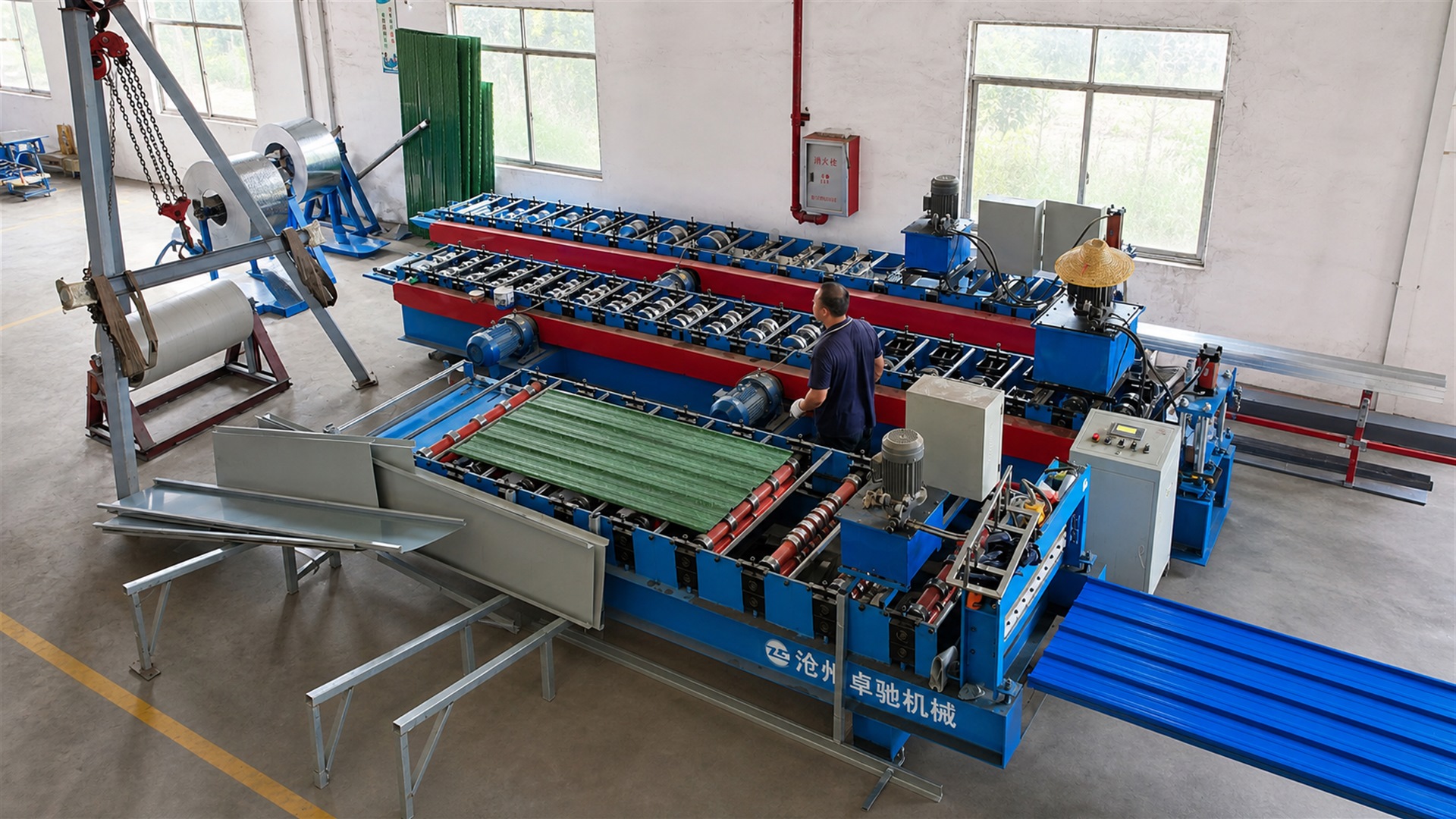
Most barrier projects are not catalogue purchases. Custom fabrication for this product range covers dimensions, materials, colors, surface finishes, structural designs, decorative patterns, logos, packaging and project-specific configurations. Both OEM and ODM production services are available, allowing a distributor or brand owner to place their own identity, packaging and configuration onto the product.
- Customization scope: dimensions, materials, colors, surface finishes, structural designs, decorative patterns, logos, packaging, project-specific configurations.
- Production mode: OEM and ODM.
- Minimum order quantity: 1 unit for OEM and custom safety barrier orders.
- Delivery terms: FOB.
- Acceptance criteria: pre-shipment test.
- Recorded payment terms: 40/70.
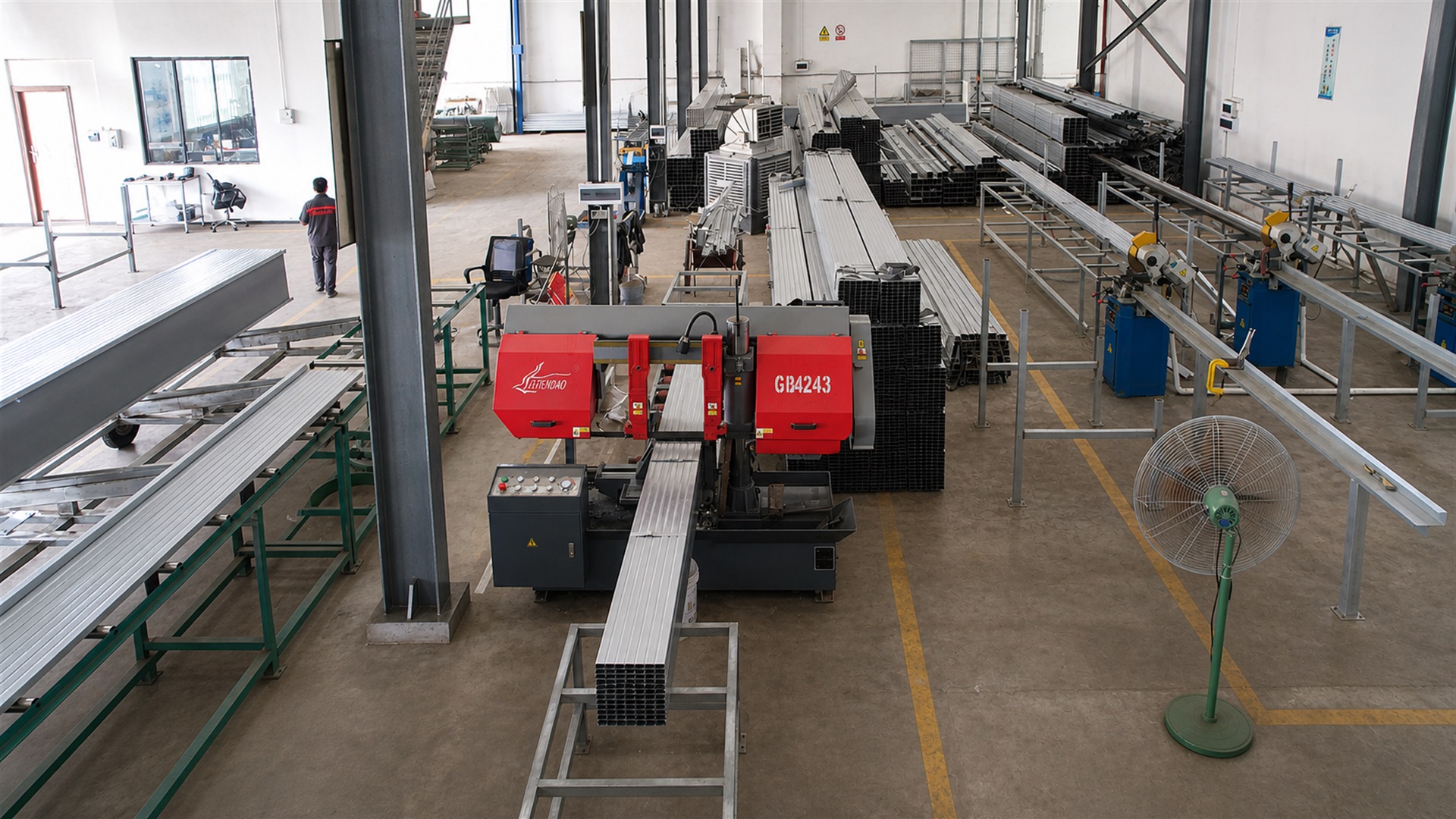
Quality control across the production flow covers incoming material inspection, dimensional inspection, welding inspection, coating inspection, in-process quality control and final pre-shipment inspection. After-sales support covers remote technical support, installation guidance, maintenance recommendations, spare-parts coordination and after-sales response.
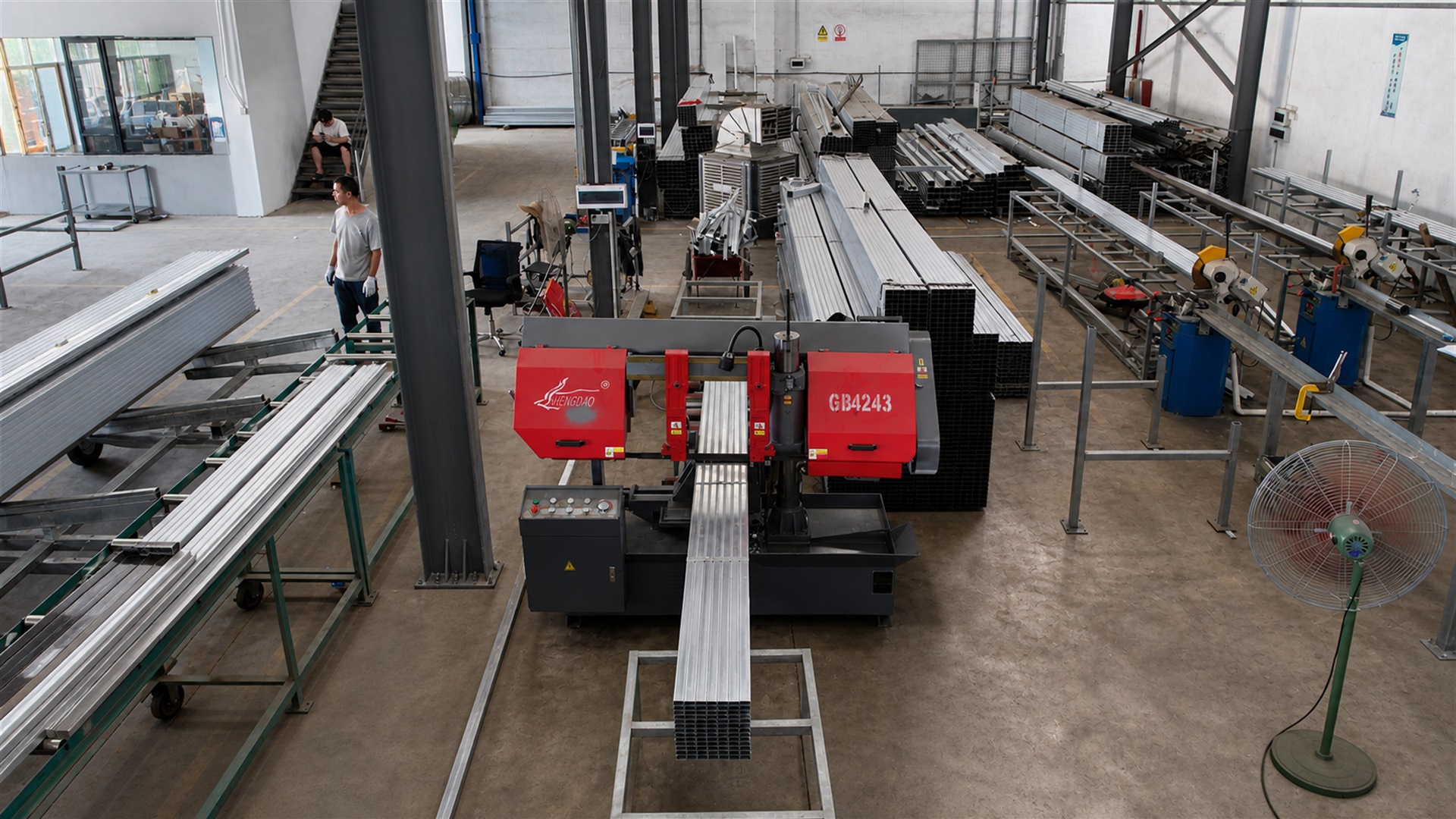
Manufacturing capacity for this range is project-based and flexible, subject to product type, specifications and order quantity. The operating base is a facility of approximately 15,000 m² with 200 employees, a 50-engineer R&D team and an annual output of 1,500,500 m. Export accounts for 50% of output, with main markets in Southeast Asia, Africa, South America and the Middle East, and supply into global markets including Europe. Lead time is determined by order quantity, product specifications and customization requirements.
Frequently Asked Questions
Which standards apply to safety barrier systems?
In Europe, EN 1317 is the mandatory standard for vehicle restraint systems permanently installed on roads, with EN 1317-5 effective from 1 January 2011. In the United States, AASHTO MASH 2016 is the current evaluation standard for new permanent roadside hardware as of 31 December 2019. Both standards govern vehicle restraint systems. Pedestrian guardrails, riverside guardrails, balcony railings and construction hoarding belong to separate categories and are specified against pedestrian-safety, building-code and project requirements instead.
Can safety barrier systems be customized for a specific project?
Yes. Custom fabrication covers dimensions, materials, colors, surface finishes, structural designs, decorative patterns, logos, packaging and project-specific configurations, and both OEM and ODM production services are available. Customization should start from project drawings, site conditions and safety requirements; where drawings are unavailable, supplying the application and site photographs supports a configuration recommendation.
What information is required for a safety barrier quotation?
A quotation requires the guardrail type, dimensions, total quantity, material, surface finish, drawings, installation environment, applicable standards, delivery location and packaging requirements. If drawings are not available, the application and site conditions are sufficient to begin a configuration review.
What are the purchasing terms, MOQ and acceptance criteria?
OEM and custom safety barrier orders can be placed from a minimum order quantity of 1 unit under FOB delivery terms. Acceptance is based on pre-shipment testing, and the recorded payment terms are 40/70.
How is lead time determined for a custom safety barrier order?
Lead time is determined by order quantity, product specifications and customization requirements. Incoming material, dimensional, welding, coating, in-process and final pre-shipment inspections are carried out during production, and the shipment schedule is confirmed with the order. Sample and configuration requests can be submitted through the manufacturer’s contact channels before the order is confirmed.
Conclusion: Match the Scenario First, Specify the Product Second
Safety barrier procurement rewards sequence. Identify the scenario and the function, confirm whether the installation is a vehicle restraint system or a pedestrian, boundary or fall-protection system, map the exposure conditions, then select material and dimensions. Barriers that were matched correctly in that order tend to stay in service without corrective work; barriers chosen by appearance or by habit tend to be re-specified, and the re-specification usually costs more than the original order.
For projects in municipal roads, bridges, waterfronts, building sites and industrial perimeters, the published configurations, project records and customization capability described in this guide provide a documented starting point for that sequence.
Next Step: Send Your Project Scenario
Share the application, site conditions, drawings if available, total quantity and delivery destination. A configuration recommendation and quotation can be prepared from that information alone. Sample requests and OEM/ODM enquiries are welcome.
- Website: aotianguardrail.com
- Email: info@aotianhouse.com
- Tel / WhatsApp: +86 189 2407 9286
- Download the product brochure: Santian product brochure (PDF)
Santian (Guangdong Guardrail) Steel Structure Co., Ltd. — No. 21-1, Fuling East Road, Shangshao Village, Xintang Town, Zengcheng District, Guangzhou City, China.
Have Questions or Need More Details?
Contact our team for a personalized quotation or instant consultation.
Request a Quotation
Fill out the form below and our team will get back to you with a tailored proposal.
WhatsApp Direct Chat
Prefer to chat in real-time? Message us on WhatsApp for instant assistance & quick answers.
- Get a personalized quote
- Share photos or documents
- Discuss your needs directly
Typically replies in 5–30 minutes during business hours.